

 Share
Share Description
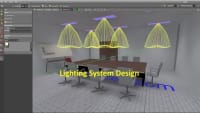
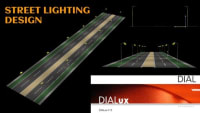
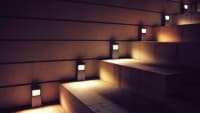
This course is an immersive, foundational training program designed to teach the core art and technical principles of lighting built environments. Lighting is one of the most powerful elements in architecture, possessing the unique ability to transform spatial perception, highlight structural forms, and influence human emotion and productivity. This course bridges the gap between artistic spatial design and engineering photometrics, guiding students through the fundamental behavior of light within physical spaces. Learners explore how natural daylight and artificial fixtures interact with materials, colors, and textures across residential, commercial, and urban architecture. From initial concept development to specification and layout design, this course provides a complete framework for crafting functional, energy-efficient, and visually captivating architectural lighting systems.
Topics Covered
- Fundamentals of Architectural Light: Understanding light properties, illuminance (lux), luminous flux, color temperature (CCT), color rendering (CRI), and unified glare ratings (UGR).
- Layered Lighting Techniques: Mastering the four key layers of light—ambient, task, accent, and decorative—to create balanced, dynamic architectural environments.
- Light and Materiality: Analyzing how light interacts with different architectural surface materials, textures, reflectivity levels, and geometric forms.
- Luminaire Families & Beam Optics: Selecting appropriate fixture housings, optical distribution patterns, beam spreads, and glare-control accessories for specific architectural applications.
- Daylighting Integration & Sustainability: Harnessing natural light to minimize energy consumption, control solar heat gain, and maintain human circadian rhythm.
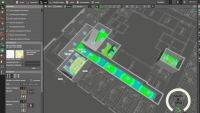
- Technical Documentation & Reflected Ceiling Plans (RCPs): Reading architectural drawings, placing fixture symbols, drafting RCPs, and writing luminaire specifications.
Who Will Benefit From This Course
- Architects & Interior Designers: Looking to integrate professional lighting concepts into their spatial designs to elevate their architectural projects.
- Electrical Engineers & MEP Technicians: Seeking to expand their skills beyond electrical wiring into aesthetic and human-centric architectural lighting design.
- Lighting Sales Representatives & Vendors: Aiming to improve their technical understanding of photometrics and architectural applications to serve clients better.
- Design Students & Graduates: Wanting to gain a practical, industry-aligned foundation in lighting design to boost their career prospects.
Why Take This Course
Enrolling in this course provides you with essential skills that directly enhance the quality, value, and emotional impact of any architectural project. Lighting is no longer an afterthought in construction; modern clients and green building codes demand sustainable, well-thought-out illumination strategies that prioritize energy conservation and occupant well-being. By taking this course, you will learn how to approach architectural spaces with a designer's eye and an engineer's precision, giving you the confidence to select the right fixtures, prevent costly design errors, and create immersive atmospheres. Whether you want to broaden your service offerings as an architect or launch a career in specialized lighting consulting, this course delivers the essential tools and knowledge needed to succeed in the industry.